
 April 19th, 2013
  Nyomi Graef
 How important are probiotics — “good” (beneficial) bacteria and other microorganisms? According to Dr. Mercola: “The research into probiotics indicates that supplementing with probiotics is probably more important than taking a multi-vitamin and its true importance for your health is likely right up there with vitamin D.”
We all have trillions of bacteria, fungi, yeasts and other microorganisms (gut flora) in our guts. Gut flora is a mix of “bad” (harmful) and good microorganisms. When this mix is out of balance, with too many bad types, we get sick. Celeste Perron reports that Mark Hyman, M.D., founder and medical director of the UltraWellness Center in Lenox, Massachusetts, says: “If you have an autoimmune disorder, depression, allergies, or any number of other illnesses, the underlying cause may be an unhealthy balance of gut bugs.”
Dr. Mercola says: “The secret to improving your mood and brain health is in your gut, as unhealthy gut flora can impact your mental health, leading to issues like anxiety, depression, autism and more.”
Many people have gut flora that’s out of balance, so are ill as a result. These people could benefit from eating more foods that contain probiotics, taking a probiotic supplement and/or making healthy lifestyle changes so their good gut bugs can thrive.
 Posted in
  Tags:
Tags: 
 Did you know that the herbal remedy hops is related to marijuana and is legally sold in supermarkets, drugstores and health food stores across the world?
 Decades of research shows that a lack of vitamin E can contribute to brain diseases. This essential vitamin helps reduce the risk of stroke and Alzheimer’s disease, and helps stop blood vessels clogging, including those that supply oxygen and nutrients to the brain. Vitamin E also helps stop the fat in our brains from going rancid, so we can think, focus and remember better. Our brains are mostly made of fat, and the quality of this fat is very important.
 “It’s smart to take vitamin C, and it may make you even smarter.” That’s the advice from Jean Carper, author of Your Miracle Brain. She outlines studies showing that vitamin C supplements can improve IQ, memory and other mental functions, especially in people with low levels of vitamin C. This isn’t surprising considering vitamin C is involved in making neurotransmitters – chemicals that affect our mind and mood.
  Kate Fraser, one of Australia’s leading medical herbalists, writes in her book Positive Health with Herbs that ginkgo extract has been claimed to be ““the most important single development in Western Herbal Medicine” in recent years. This claim is supported by the fact that, according to the World Health Organisation, (WHO), it was the most prescribed pharmaceutical in France and Germany… Such widespread use of a herbal extract by medical practitioners is unprecedented in post-war medicine.”
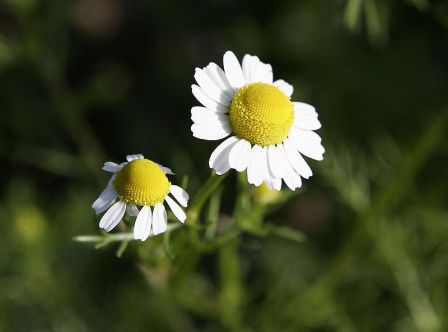 The pretty little flowers of the chamomile plant have been used to treat many health problems for thousands of years. Today chamomile is popular in many countries, including Europe. In the United States and Australia, chamomile is best known as a relaxing tea. Other common uses of chamomile are to help treat anxiety, sleeplessness, stomach pain, and gas. Some beauty products, healing creams and ointments also have chamomile added.
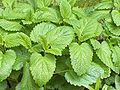 From before the Middle Ages the delicious herb lemon balm has been used to improve mood, help heal wounds, and treat insect bites. Today lemon balm is still used for health, especially stress, anxiety, relaxation, insomnia, cold sores, shingles, and digestive problems. Lemon balm is grown in herb gardens, and in crops for medicine, cosmetics, and making furniture polish. The herb is generally considered safe, with few side effects.
 Nutritionist Patrick Holford says that most people with intense or constant anxiety either self-medicate with alcohol or cannabis, or see their doctor, possibly to be given a prescription for a tranquiliser. “In one week in Britain, we pop 10 million tranquillisers, puff 10 million cannabis joints and drink 120 million alcoholic drinks”, says Holford, in his book Optimum Nutrition for the Mind. “The choice of these three drugs – alcohol, cannabis and tranquillisers – is no coincidence. They all promote the neurotransmitter GABA, which is the brain’s peacemaker, helping to turn off excess adrenalin and calm you down.”
 Low vitamin D has long been linked to depression. Experts now believe a lack of vitamin D might also contribute to other mental health problems such as personality disorders and post-traumatic stress disorder, according to
  Kava has been a drink for thousands of years in the Pacific Islands. Its effects are similar to alcohol. People use kava for many reasons, in particular stress, anxiety, insomnia (sleeplessness), relaxation, improving mood, and as a social and ceremonial drink.
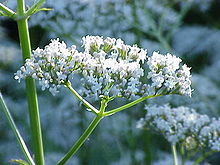 The herb valerian – often called ‘nature’s Valium’ – is a popular natural treatment in Europe, North America and Japan for insomnia and anxiety.
 A recent study suggests that omega-3 fish oil capsules may prevent psychosis in young people at high risk of developing this illness.
 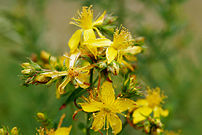 Did you know that St John’s wort is one of the most popular natural antidepressants in the United States and Canada?
 Passion flower is a native plant of North America, where it has been used for centuries as a mild sedative. It was later used in Europe and adopted by herbalists to treat insomnia, hysteria and epilepsy, and used as a painkiller.
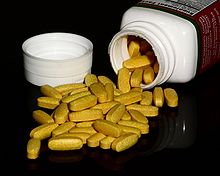 Can popping a vitamin pill help cure mental health problems? For people who lack vitamin B and show symptoms of mental illness as a result, this may be the case.
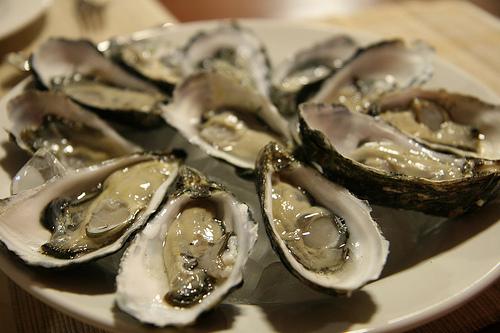 Since the 1920s zinc has been known to play a role in mental health. Decades of research has found a link between taking zinc supplements and an improvement in the symptoms of schizophrenia, autism, ADHD and other mental health problems.
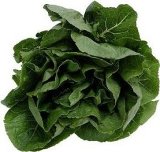 Are you suffering from a lack of magnesium? Chances are you could be, as many of us aren’t receiving enough from our diet. In fact magnesium deficiency is an epidemic throughout the western world. About 80% of Americans are low in it. Depression, anxiety, irritability, ADHD and nervousness are just a few of the symptoms of magnesium deficiency.
 By now you’ve probably heard something about the wonders of omega-3 fat for improving mood. From helping overcome depression and ADHD, to treating Alzheimer’s disease and schizophrenia, some might call omega-3 fat a miracle cure for the mind.