
 April 19th, 2013
  Nyomi Graef
 How important are probiotics — “good” (beneficial) bacteria and other microorganisms? According to Dr. Mercola: “The research into probiotics indicates that supplementing with probiotics is probably more important than taking a multi-vitamin and its true importance for your health is likely right up there with vitamin D.”
We all have trillions of bacteria, fungi, yeasts and other microorganisms (gut flora) in our guts. Gut flora is a mix of “bad” (harmful) and good microorganisms. When this mix is out of balance, with too many bad types, we get sick. Celeste Perron reports that Mark Hyman, M.D., founder and medical director of the UltraWellness Center in Lenox, Massachusetts, says: “If you have an autoimmune disorder, depression, allergies, or any number of other illnesses, the underlying cause may be an unhealthy balance of gut bugs.”
Dr. Mercola says: “The secret to improving your mood and brain health is in your gut, as unhealthy gut flora can impact your mental health, leading to issues like anxiety, depression, autism and more.”
Many people have gut flora that’s out of balance, so are ill as a result. These people could benefit from eating more foods that contain probiotics, taking a probiotic supplement and/or making healthy lifestyle changes so their good gut bugs can thrive.
 Posted in
  Tags:
Tags: 
 Decades of research shows that a lack of vitamin E can contribute to brain diseases. This essential vitamin helps reduce the risk of stroke and Alzheimer’s disease, and helps stop blood vessels clogging, including those that supply oxygen and nutrients to the brain. Vitamin E also helps stop the fat in our brains from going rancid, so we can think, focus and remember better. Our brains are mostly made of fat, and the quality of this fat is very important.
 “It’s smart to take vitamin C, and it may make you even smarter.” That’s the advice from Jean Carper, author of Your Miracle Brain. She outlines studies showing that vitamin C supplements can improve IQ, memory and other mental functions, especially in people with low levels of vitamin C. This isn’t surprising considering vitamin C is involved in making neurotransmitters – chemicals that affect our mind and mood.
  Low vitamin D has long been linked to depression. Experts now believe a lack of vitamin D might also contribute to other mental health problems such as personality disorders and post-traumatic stress disorder, according to
  Is a common type of cow’s milk consumed by millions of people across the world causing serious physical and mental health problems? Agribusiness professor and farm-management consultant Dr. Keith Woodford believes so. In his book Devil in the Milk he describes research showing that a protein in milk from particular breeds of cows – called A1 cows – is causing schizophrenia, autism, inflammation, heart disease and, possibly, type 1 diabetes. Dr. Woodford says that A2 cows, however, produce milk that does not cause health problems due to this protein.
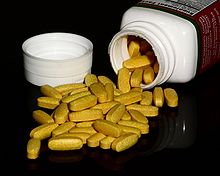 Can popping a vitamin pill help cure mental health problems? For people who lack vitamin B and show symptoms of mental illness as a result, this may be the case.
 Since the 1920s zinc has been known to play a role in mental health. Decades of research has found a link between taking zinc supplements and an improvement in the symptoms of schizophrenia, autism, ADHD and other mental health problems.
 Are you suffering from a lack of magnesium? Chances are you could be, as many of us aren’t receiving enough from our diet. In fact magnesium deficiency is an epidemic throughout the western world. About 80% of Americans are low in it. Depression, anxiety, irritability, ADHD and nervousness are just a few of the symptoms of magnesium deficiency.
 Did you know that gluten, a common protein, is one of the causes of depression, mood swings and other mental health problems? Professor Rodney Ford, a world authority on gluten and food allergies, believes gluten “is sapping the energy and wellbeing of countless millions”, and causing mental health problems.
 By now you’ve probably heard something about the wonders of omega-3 fat for improving mood. From helping overcome depression and ADHD, to treating Alzheimer’s disease and schizophrenia, some might call omega-3 fat a miracle cure for the mind.